
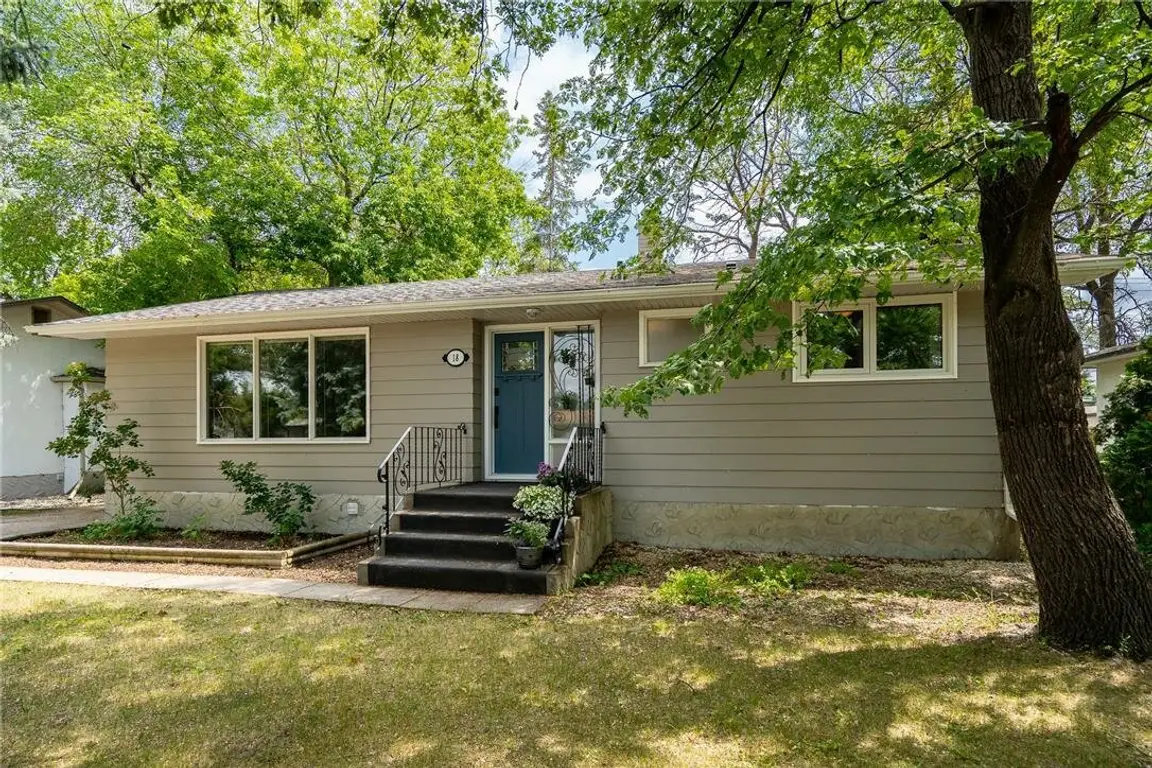

If you’re looking to sell your house fast in Edmonton, it helps to know the real estate terms you’ll come across along the way. Below, we’ve put together a plain-language guide to some of the lesser-known terms you might hear when selling your home in Edmonton. Got questions? Don’t hesitate to give us a call — we’re always happy to walk you through things, no pressure. (780) 619-0629
Appraised Price
An appraised value is a professional assessment of what a property is worth. It can come up during the mortgage process, or a buyer or seller may order one privately. An appraisal may also be used for tax purposes or in situations like a divorce settlement.
Assessed Value
The assessed value of your home is what determines how much you owe in property taxes. An appraiser looks at the location, a physical inspection of the home, and recent nearby sales to come up with this number.
Carrying Costs
Carrying costs are the ongoing monthly expenses of owning a home. Think property taxes, home insurance, utilities, and regular maintenance — these all add up while you still hold the property.
Clear Title
A clear title means no one else has a claim to the property and there are no outstanding liens against it. It’s a clean slate — exactly what buyers want to see before closing.
Comparative Market Analysis
A comparative market analysis, or CMA, uses recent home sales in your area to help estimate what your property is worth today. It’s a useful starting point when figuring out a fair asking price.
Contingencies
A contingency is a condition written into a purchase contract that must be met before the deal becomes legally binding. Common ones include financing, home inspection, and appraisal contingencies.
Covenant
A covenant is a formal agreement where one party makes certain promises to another. A common example is a covenant of warranty in a warranty deed, which guarantees the seller’s right to transfer the property.
Delinquency
A delinquency happens when a homeowner falls behind on their mortgage payments. Once a loan goes delinquent, the lender may start the collections process and, in some cases, move toward foreclosure.
Disclosures
A disclosure is a document the seller gives the buyer that outlines any known issues, defects, or problems with the property. Leaving something out that you knew about can be considered fraud, so honesty here really matters.
Encumbrance
An encumbrance is any claim or restriction on a property that affects how it can be transferred or used. A property lien is one of the most common examples of an encumbrance.
Foreclosure
Foreclosure happens when a homeowner stops making mortgage payments — usually for around 90 days. At that point, the lender takes possession of the home and the owner loses their rights to the property.
Inclusions
Inclusions are personal items that stay with the home as part of the sale. This might include appliances, window coverings, or certain outdoor items — whatever both parties agree to include in the deal.
Market Value
Market value is what a property is worth when both buyer and seller are acting freely, without pressure, and with full knowledge of the home’s condition. It’s generally the middle ground between the most a buyer would pay and the least a seller would accept.
Mechanic’s Lien
A mechanic’s lien is placed against a property to ensure that contractors, laborers, or material suppliers get paid for work they’ve done on it. It can hold up a sale if it isn’t resolved first.
Negative Amortization
Amortization means paying down your loan over time. Negative amortization is the opposite — it happens when your payments aren’t enough to cover the interest, so your balance actually grows instead of shrinking.
Quitclaim Deed
A quitclaim deed is used to transfer one person’s ownership interest in a property to another. It’s often used between family members or in situations where a quick transfer of interest is needed.
Sale-Leaseback
A sale-leaseback is when a buyer purchases a property and then rents it back to the person who just sold it. It lets the seller access their equity while still staying in the home.
Short Sale
A short sale is when a homeowner sells their property for less than what they still owe on the mortgage. The lender agrees to accept the reduced amount as an alternative to going through a full foreclosure.
Title
The title is the legal document that shows who owns a property and who has the right to use it. Similar to a vehicle title, it’s how ownership of real estate is officially established and transferred.
Title Defect
A title defect is a problem somewhere in the chain of ownership that raises questions about who truly has legal rights to the property. It needs to be resolved before a clean sale can take place.
Waiver
A waiver is when someone voluntarily gives up a right, claim, or privilege. In real estate contracts, it typically removes liability for one of the parties involved in the agreement.
When you’re trying to sell your house fast in Edmonton, real estate jargon can come at you quickly. Knowing what these terms mean — and how they affect you — puts you in a much better position. Do your homework before selling your house in Edmonton so nothing catches you off guard along the way!
In summary, to successfully sell your house quickly in Edmonton, it’s essential to understand key real estate terminology. Key concepts include appraised price, which reflects a property’s worth; assessed value, determining property taxes; and carrying costs, encompassing ongoing home expenses. A clear title indicates no claims or liens against the property, while a comparative market analysis (CMA) helps set a fair asking price. Contingencies in purchase contracts must be met before finalizing a sale. Noteworthy terms also include disclosures, encumbrance, foreclosure, inclusions, market value, mechanic’s lien, negative amortization, quitclaim deed, sale-leaseback, short sale, title, title defect, and waiver. Familiarity with these terms equips sellers to navigate the process effectively and avoid surprises during the sale.