Life throws curveballs at all of us. For homeowners, these challenging times might threaten the biggest investment you’ve ever made: your Edmonton house. When you’re struggling to keep up with mortgage and insurance payments, foreclosure becomes a real possibility after missing a certain number of payments – the specific timeline depends on your mortgage agreement.
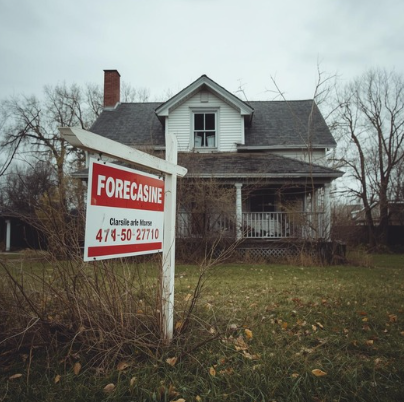
Financial Hardship Can Happen To Anyone
Typically, the foreclosure process doesn’t begin until you’ve missed about 3-6 payments. It’s important to understand that foreclosure unfolds in stages. It starts with pre-foreclosure, where your property is in default, but the bank hasn’t yet taken action. The second stage is a short sale – where you’re trying to sell before foreclosure, but the market value falls short of what you owe. Depending on your lender, they may consider offers below your remaining balance. A successful short sale is much better for your credit than foreclosure. If that doesn’t work, the property moves to foreclosure auction where the bank tries to quickly recover their investment. The final stage is REO (Real Estate Owned), where the bank repossesses the property if it doesn’t sell at auction and lists it themselves.
As outlined above, “foreclosure” means the bank takes title or “possession” of your Edmonton house. This significantly damages your credit score and appears on reports that future landlords will see. A foreclosure typically remains on your credit report for 7-10 years before disappearing. Depending on your situation, you might have more time in your home during foreclosure due to the statutory redemption period. This timeframe varies based on whether you took title via mortgage or deed of trust. With a mortgage, the process might take anywhere from 30 days to 2 years. After the redemption period ends, if you haven’t reinstated your loan and still can’t make payments, you’ll need to move out. With a deed of trust, there’s typically no redemption period, requiring immediate vacancy.
Should You Consider A Short Sale?
During the foreclosure process, you have the opportunity to pursue a short sale. The ideal time for this is when you first realize you can’t make payments according to your loan agreement, but before the lender takes legal action. You can list your Edmonton house and try to secure an offer that covers or comes close to your remaining loan balance. This process can be challenging – you’ll need constant communication with your lender about incoming offers and must wait for their approval or counteroffers. If the bank accepts an offer, selling your Edmonton home this way would reduce some of the credit damage compared to foreclosure, though it will still negatively affect your credit score.
In summary, foreclosure can affect any property owner if mortgage and insurance payments are missed, typically leading to the process beginning after 3-6 unpaid payments. It consists of stages: pre-foreclosure (default status), short sale (attempting to sell before foreclosure), foreclosure auction (selling the property at auction), and REO (property repossession by the bank if not sold). Foreclosure impacts credit scores, lasting at least 7 years. Owners may face a statutory redemption period allowing them to stay longer depending on mortgage terms. A short sale can mitigate credit damage if conducted before foreclosure process begins, requiring lender communication and approval for offers. The best approach is to negotiate a sale before falling behind on payments. For assistance, contact YEG Home Buyers at (780) 619-0629.
The best approach is avoiding the foreclosure process entirely by negotiating a sale before you miss any loan payments. As a small family-run business that values education and transparency, we can help explore your options without any pressure.